Flooring Replacement Costs: What to Expect and How to Budget
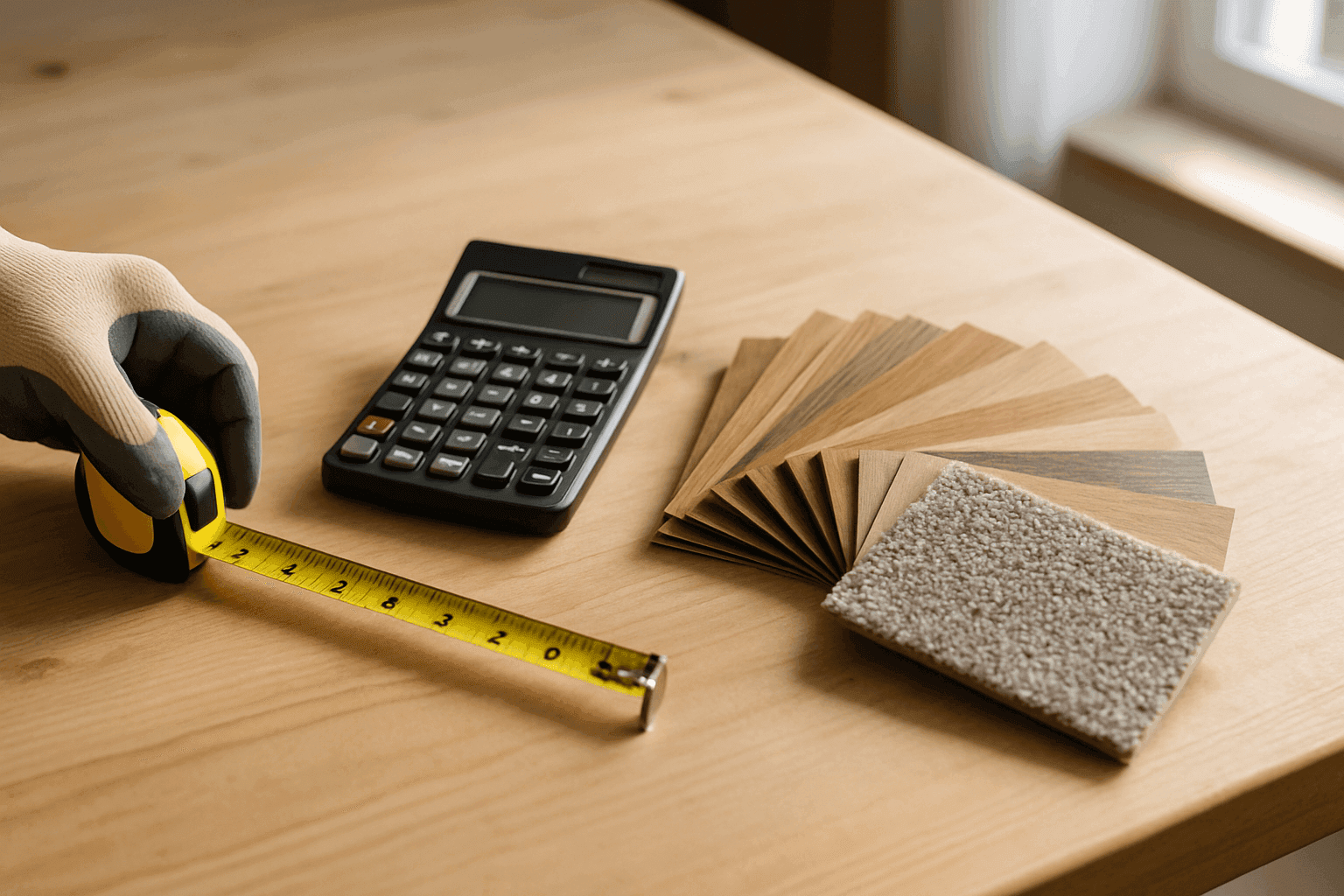
Replacing your floor is a big decision. The costs can add up fast, and surprises in your budget are never fun. Whether you're a homeowner planning a living room upgrade, or a business manager prepping for a commercial renovation, the road to new flooring is smoother when you know what to expect.
At Amigo's Flooring, we help people just like you untangle the maze of choices and costs. Let’s break down what really impacts flooring replacement costs, so you can plan with confidence and avoid sticker shock.
Factors Affecting Flooring Costs 🏡
Every space is different. So is every floor. What you pay depends on a handful of key factors:
- Type of flooring: Hardwood, tile, carpet, or luxury vinyl all come with their own price tags.
- Room size: Bigger rooms mean more square footage—and more materials.
- Preparation work: Old floors may need to be removed or subfloors repaired before new flooring goes down.
- Labor rates: Skilled installation is crucial, and rates can vary by region and job complexity.
- Commercial vs. residential: Commercial-grade floors often cost more due to durability and code requirements.
- Special features: Want soundproofing, radiant heating, or eco-friendly materials? These add to the bill.
Think of your flooring project like a recipe. The ingredients you choose—and how much prep work you need—set the total cost.
Material Price Comparison: What’s the Real Difference?
Choosing a flooring material is a lot like picking a car. Basic models get the job done, but upgrades cost extra. Here’s a quick look at common flooring types and what drives their price:
Hardwood Flooring
- Cost: $$–$$$$
- Why choose it? Classic, long-lasting, boosts property value.
- What impacts price? Wood species, plank width, finish, and region. Exotic woods like Brazilian cherry cost more than oak or maple.
Luxury Vinyl Tile (LVT) & Luxury Vinyl Plank (LVP)
- Cost: $–$$$
- Why choose it? Water-resistant, durable, mimics high-end looks.
- What impacts price? Wear layer thickness, brand, installation method (click-lock vs. glue-down).
Tile Flooring
- Cost: $$–$$$$
- Why choose it? Great for kitchens, baths, and high-traffic areas.
- What impacts price? Tile material (ceramic, porcelain, stone), pattern complexity, grout selection.
Carpet
- Cost: $–$$$
- Why choose it? Comfort, warmth, quick installation.
- What impacts price? Fiber type (nylon, wool, polyester), pile height, padding quality.
Laminate & Vinyl Sheet Flooring
- Cost: $–$$
- Why choose it? Budget-friendly, easy care.
- What impacts price? Thickness, texture, brand.
Specialty & Eco-Friendly Options
- Bamboo, cork, concrete, epoxy, rubber, and outdoor flooring all have their own ranges.
- Why choose them? Sustainability, moisture resistance, or unique style.
- What impacts price? Sourcing, finish, installation complexity.
Material prices can swing widely. According to the National Wood Flooring Association and industry sources like HomeAdvisor, materials can run from under $2 per square foot (basic vinyl) to over $15 per square foot (luxury hardwood or stone).
Labor and Installation Fees
Materials are just the start. Labor is a big part of the budget puzzle.
What’s Included in Labor Costs?
- Site prep: Furniture moving, floor removal, subfloor repairs.
- Installation: Cutting, fitting, laying flooring, and finishing.
- Cleanup: Hauling away debris, ensuring safety.
What Impacts Labor Rates?
- Project complexity: Intricate tile patterns, herringbone wood, or large commercial jobs can bump up labor hours.
- Skill level: Certified installers and union labor generally cost more.
- Location: Urban areas may see higher rates than rural ones.
- Timing: Emergency jobs or after-hours work can come with a premium.
For most flooring types, labor can range from $2 to $8 per square foot, sometimes more for specialty work or fast-turnaround projects.
Hidden Costs: What’s Lurking Underneath?
Unseen issues can trip up your budget. Here are some common “gotchas” to watch for:
- Floor removal: Old glued-down carpet, tile, or wood can be tough to pull up. Removal fees vary.
- Subfloor repair or leveling: Damaged or uneven subfloors need fixing before new floors go in. Costs depend on the extent of repairs.
- Moisture barriers: Especially in basements, on concrete, or for certain floor types. Moisture testing may be needed to meet building codes (see International Residential Code guidance).
- Disposal fees: Hauling away old flooring and debris.
- Permits or inspections: Some commercial projects or multifamily jobs require paperwork and compliance checks.
If your project involves water damage, mold remediation, or structural fixes, expect extra charges.
Budgeting Tips for Flooring Replacement 💡
Nobody likes nasty surprises. Here’s how to budget smart:
- Measure carefully: Know your square footage and add 10% for waste and cuts.
- Get detailed quotes: Ask for itemized estimates—materials, labor, prep, and disposal.
- Plan for the unexpected: Set aside 10–20% of your budget for surprises.
- Balance needs and wants: Prioritize must-haves (like moisture barriers) over nice-to-haves (like premium trim).
- Ask about financing: Some flooring companies offer payment plans or phased projects.
- Schedule wisely: Off-peak seasons or group projects may net you a better deal.
How to Get an Accurate Quote
A ballpark estimate is a start, but nothing beats an in-person assessment. Here’s what to expect:
- On-site measurement: A pro will measure your space precisely.
- Inspection: They’ll check your subfloor, look for damage, and assess prep needs.
- Discussion: You’ll talk through materials, patterns, and special features.
- Written estimate: Ask for a clear, itemized bid—no fuzzy math.
For commercial projects, expect a more detailed scope of work and compliance review.
When It’s an Emergency: Flooring Replacement After Floods or Storms ⚠️
Disasters don’t wait for the perfect budget. If you’re dealing with a flood, burst pipe, or storm damage:
- Act fast: Water and moisture can ruin floors quickly.
- Document the damage: Insurance may cover some or all costs. Take photos and save receipts.
- Focus on safety: Mold, electrical hazards, and slippery surfaces are serious risks.
- Expect higher costs: Emergency removal, drying, and expedited installation can increase the bill.
Amigo’s Flooring responds to urgent needs, but sometimes a phased approach (immediate safety fixes, then full replacement) makes the most sense.
Residential vs. Commercial Flooring: What’s Different?
- Commercial spaces often need tougher, code-compliant flooring. Think heavy foot traffic, rolling loads, or chemical resistance for kitchens and warehouses.
- Residential projects focus more on comfort, aesthetics, and budget flexibility.
- Timeline: Commercial jobs may need to fit tight schedules or off-hours.
- Permits: Commercial projects sometimes trigger building or fire code checks (see local regulations).
Frequently Asked Questions
How can I avoid going over budget?
Start with a detailed quote. Allow a cushion for hidden issues. Be upfront about your priorities and ask questions before work begins.
Can I install new flooring over old floors?
Sometimes—like floating laminate over old vinyl—but not always. Subfloor issues, moisture, and height differences can cause problems. A pro assessment is the safest route.
What’s the most affordable flooring option?
Vinyl sheet and basic carpet are usually the lowest-cost choices. But consider long-term durability and maintenance—sometimes spending a bit more up front saves money down the road.
How long does flooring replacement take?
A small room might take a day or two. Large commercial spaces or projects with repairs can stretch to a week or more. Weather, material lead times, and prep work all play a role.
Local and Seasonal Considerations ☀️
- Humidity and temperature: Some flooring materials need time to acclimate on-site, especially hardwood and bamboo.
- Busy seasons: Summer and fall are peak times for renovations—book early if you can.
- Local codes: Check if your area requires permits or inspections for flooring work, especially in commercial or multifamily buildings.
Make Your Next Step Count
Flooring replacement doesn’t have to be a leap into the unknown. With a clear plan and the right information, you can create a space that’s beautiful, durable, and on budget. Ready for answers tailored to your space?
Call Amigo's Flooring now — or reach us anytime at 888-864-4650 .