Luxury Vinyl Plank vs. Tile: Which Is Right for Your Home or Business?
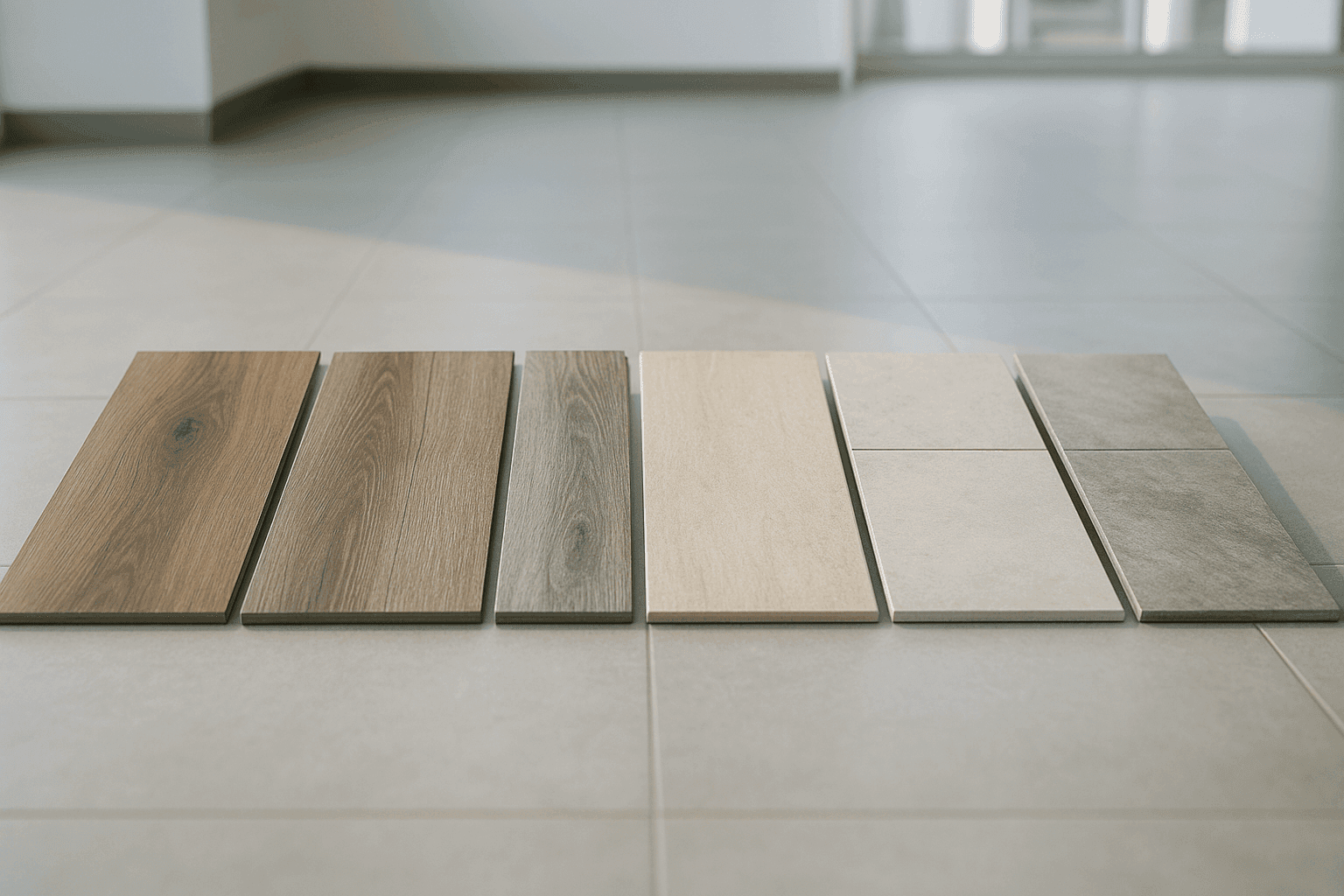
When it comes to new flooring, the stakes are high. The right choice transforms a space, increasing comfort, style, and long-term value. But pick the wrong surface, and you could face years of regret with every step.
At Amigo’s Flooring, we know you want a floor that fits your life—and lasts. Whether you’re managing a bustling business or revamping your family’s living space, the decision between luxury vinyl plank (LVP) and tile isn’t just about looks. It’s about performance, budget, and the way you live or work.
Overview of LVP and Tile
Let’s put these options under the microscope.
Luxury Vinyl Plank (LVP) mimics hardwood’s look and texture, but with waterproof resilience. It’s built in layers: a tough wear layer, realistic photographic layer, rigid core, and backing for comfort. LVP snaps together with a click-lock system or adheres with glue.
Tile Flooring—mostly porcelain or ceramic—delivers a cool, solid surface. Think of it as the reliable friend that never lets you down. Tiles are kiln-fired, dense, and hardwearing, fixed in place with mortar and grout. They come in sizes from tiny mosaics to oversized slabs.
Both have strengths and tradeoffs. The best choice depends on your space, your habits, and your goals.
Durability and Maintenance 🛠️
LVP is the workhorse of the modern family or business:
- Stands up to dents and scratches from foot traffic, rolling chairs, or pet claws.
- Resists scuffs, stains, and fading—even in sunlight.
- Most brands recommend regular sweeping and damp mopping for routine care.
- If a plank is damaged, it’s often possible to replace just that piece.
Tile, meanwhile, is nearly indestructible when properly installed:
- Withstands heavy loads and endless footsteps. Great for lobbies, kitchens, or retail spaces.
- Resists heat and fire, making it ideal for kitchens or commercial kitchens.
- Grout lines can stain or harbor mold if not sealed and cleaned, so they need periodic attention.
- Dropping a heavy object can crack a tile, but individual tiles are replaceable.
Industry Note: Both types meet ASTM standards for slip resistance and durability, but always check the product specs. For commercial spaces, refer to ANSI A137.1 for tile performance ratings.
Installation Differences
This is where the two paths really split.
LVP Installation:
- Often floats over the subfloor without glue, so it’s quick and less disruptive.
- Can be installed over many existing floors (even some old tile or vinyl).
- Minimal downtime: rooms can be walked on almost immediately.
- For large commercial spaces or complex patterns, glue-down LVP may be required.
Tile Installation:
- More involved: requires a flat, sturdy subfloor.
- Mortar, spacers, and grout are part of the process.
- Grout must cure for at least 24 hours, so the area is off-limits for a while.
- Best left to professionals for results that last decades.
Tip: If time is money—like in a busy office or restaurant—LVP’s speed can be a game changer.
Water and Stain Resistance
LVP is famously waterproof. It shrugs off splashes, pet accidents, and kitchen spills. That makes it a smart pick for basements, bathrooms, break rooms, and any “oops-prone” zone.
Tile is naturally water-resistant, but grout lines can be vulnerable. Sealed grout helps, but over time, moisture can seep in. In high-moisture areas (showers, commercial bathrooms), tile still reigns supreme, provided grout is properly maintained.
Both floors resist stains—but be cautious with harsh cleaning chemicals, especially on vinyl surfaces.
Appearance and Design Options 🎨
LVP:
- Photorealistic prints mimic oak, maple, hickory, or even stone.
- Wide range of plank widths, textures, and sheens.
- Feels warmer and softer underfoot compared to tile.
Tile:
- Limitless shapes, sizes, patterns, and colors.
- Can create custom mosaics, geometric layouts, or classic stone looks.
- Naturally cool to the touch—a plus in hot climates, but can feel chilly in winter.
Design Note: Both can be mixed with other flooring types for custom transitions or statement areas.
Cost Comparison
Let’s talk numbers—without any sticker shock.
LVP:
- Typically lower material cost than tile.
- Faster installation means lower labor charges.
- Less prep work required; minor subfloor imperfections are more forgiving.
Tile:
- Porcelain is pricier than ceramic, but both cost more per square foot than most LVP.
- Labor is the wild card—tile takes longer, and pros charge accordingly.
- Grout sealing and maintenance add to long-term costs.
Practical Tip: For large, budget-sensitive projects (like rental units or office suites), LVP often wins on price and speed.
Ideal Use Cases
When does one edge out the other? Here’s what decades of floor traffic have taught us:
Luxury Vinyl Plank:
- Great for families with kids and pets.
- Perfect for high-traffic spaces: entryways, living rooms, shops.
- Ideal for fast-turnaround commercial projects.
- Basement and moisture-prone areas.
Tile:
- Best for bathrooms, kitchens, and commercial kitchens.
- Stands up to rolling carts, stiletto heels, and heavy equipment.
- Outdoor patios (with frost-resistant tiles).
- Areas needing radiant floor heating (tile conducts heat efficiently).
Resale Value: Tile often pulls ahead in luxury markets, but high-quality LVP is closing that gap—especially with buyers who value comfort, low maintenance, and style.
Traffic, Pets, and Daily Life
- Heavy Traffic: Both LVP and tile are built tough, but tile is king for the truly relentless grind of restaurants, schools, or retail.
- Pets: LVP resists claws and is quieter underfoot. Tile wins for easy cleanup, but it can be slick for older pets.
- Kids: LVP’s slight “give” makes falls less painful. Tile’s hardness means toys may not survive the landing.
Moisture Exposure and Subfloor Realities
- Basements: LVP thrives here, thanks to its waterproof core and ability to handle subfloor quirks.
- Bathrooms: Tile is traditional, but LVP is gaining ground—just watch those seams and use quality underlayment.
- Flood-Prone Areas: Both are strong choices, but tile with sealed grout may edge out LVP for long-term moisture defense.
Resale Value and Longevity
- Tile: Seen as a lifetime investment. Buyers associate it with luxury and durability—especially in kitchens and baths.
- LVP: Modern versions look and feel high-end. As more buyers recognize its benefits, LVP is holding its own on the real estate market.
Reference: The National Association of Home Builders ranks both as long-lasting floors if properly installed and maintained.
Practical Tips for Choosing
- Evaluate Traffic: Expecting a stampede? Go tile. Normal daily use? LVP is more than tough enough.
- Consider Comfort: LVP is warmer and softer. Tile is cool and hard.
- Check Your Subfloor: Uneven or damp? LVP is more forgiving.
- Factor in Climate: Tile is cool in summer, chilly in winter. LVP stays comfortable year-round.
- Look to the Future: If you might remodel soon, LVP is easier to remove.
What’s the Best Flooring for My Situation?
Homeowners: If you want fast installation, resilience, and wood looks, LVP is hard to beat. If you crave cool, classic style and don’t mind a little extra care, tile is timeless.
Commercial property managers: For spaces that must withstand everything from muddy boots to office chairs, tile’s durability is unmatched. For quick turnovers and cost control, LVP delivers.
Next Steps: Diagnosing Your Flooring Needs
- Assess your space: How much moisture? How much traffic? Any pets?
- Set your priorities: Appearance, comfort, longevity, or budget?
- Consult a pro: A flooring inspection can reveal subfloor issues, moisture risks, and the best fit for your needs.
- Plan for the long haul: Both LVP and tile can last decades if installed and maintained properly.
Frequently Asked Questions
Q: Can I install LVP or tile over my old floors?
A: Often, yes—especially with LVP. Tile usually requires a level, clean base.
Q: Which is better for allergies?
A: Both are hypoallergenic and easy to clean, but tile’s hard surface leaves nowhere for dust to hide.
Q: Will radiant heat work with either?
A: Tile is ideal for radiant heat systems. Some LVP is rated for radiant floors—check manufacturer specs.
Q: How often should I reseal grout or refinish LVP?
A: Grout should be resealed every 1–2 years. LVP doesn’t need refinishing; just standard cleaning.
References
- National Association of Home Builders: Floor longevity data
- ASTM International: Standards for resilient and tile flooring
- ANSI A137.1: Tile performance ratings
- North American Laminate Flooring Association: Maintenance recommendations
Ready to Find the Perfect Floor?
Choosing between LVP and tile isn’t just about taste—it’s about the life you lead and the space you’re shaping. If you’re still on the fence, Amigo’s Flooring can guide you every step of the way.
Call Amigo's Flooring now — or reach us anytime at 888-864-4650 .