Emergency Flooring Repair: Immediate Steps to Protect Your Home or Business
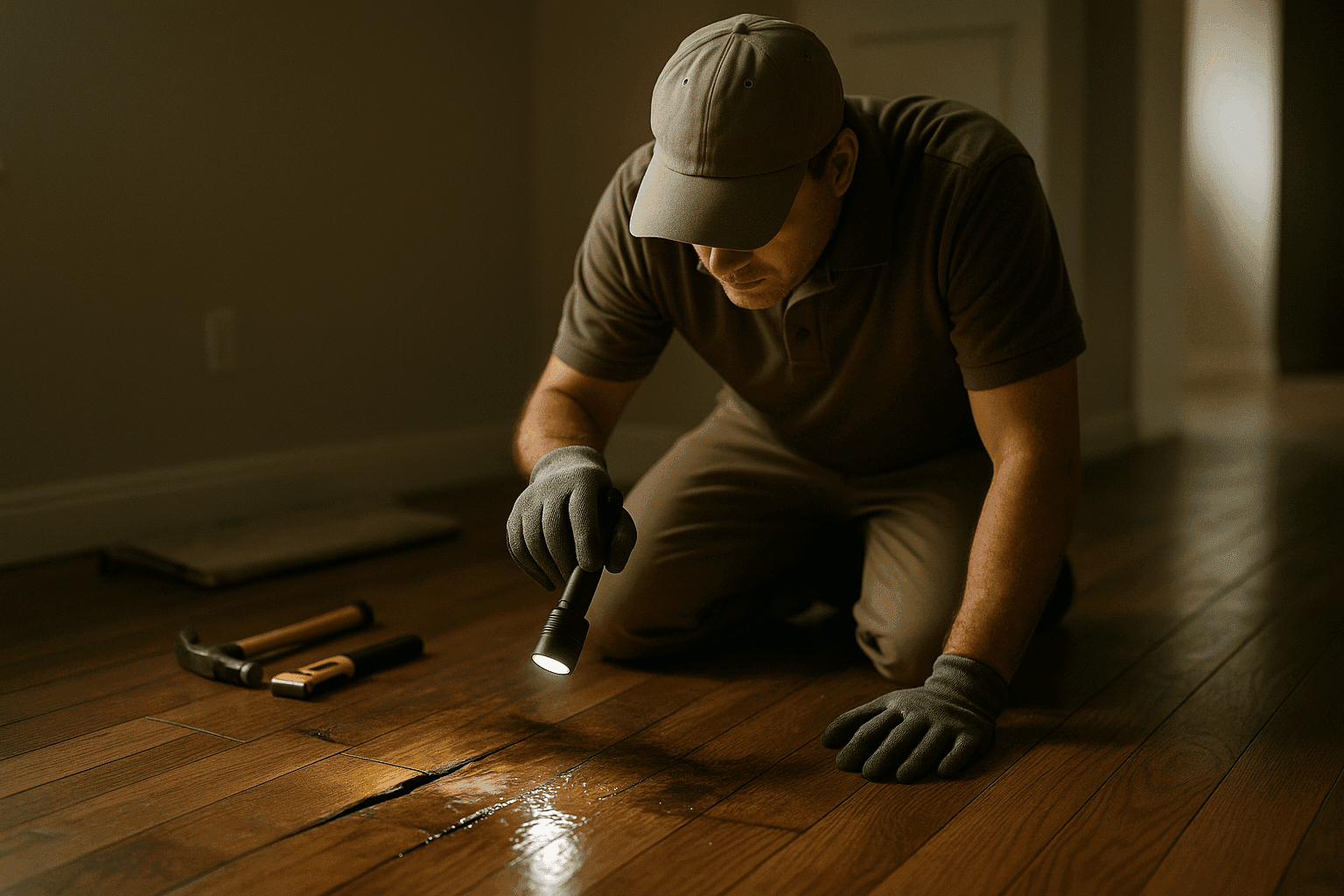
Emergencies don’t wait for business hours. When water pours in from a burst pipe or a heavy object cracks your tile, panic can set in. You want to protect your home or business—fast.
At Amigo’s Flooring, we know that flooring emergencies are stressful. Our team has seen it all: soaked carpets, warped hardwood, slippery vinyl, and more. Here’s what you can do right away to protect your investment and your peace of mind.
Common Emergency Flooring Problems
Flooring takes the brunt of life’s unexpected moments. Some of the most common emergencies we see include:
- Water leaks from plumbing failures or appliances
- Flooding from storms or overflowing drains
- Heavy impacts that crack or dent floors
- Fire or smoke damage
- Sudden stains or chemical spills
Each scenario brings its own set of headaches. Fast action is key to keeping a minor mishap from turning into a major repair.
Identifying the Type and Extent of Flooring Damage 🕵️♂️
Before you can fix a problem, you need to know what you’re dealing with. Take a close look at your floors:
Hardwood and Engineered Wood
- Look for cupping, warping, or buckling.
- Check for discoloration or soft spots.
- If boards are lifting, moisture may have soaked underneath.
Laminate and Vinyl
- Notice swelling, bubbling, or peeling edges.
- Press gently—spongy spots mean water has gotten below the surface.
- Tiles may shift or lift if glue has failed.
Tile Flooring
- Inspect for cracks, loose tiles, or missing grout.
- Listen for hollow sounds when tapping.
- Water beneath tiles can weaken the subfloor.
Carpet
- Feel for dampness or squishiness.
- Smell for musty odors—a sign of hidden moisture.
- Check seams and edges for fraying.
Subfloor and Other Surfaces
- Look for sagging, softness, or uneven areas.
- Water can sneak below the visible floor and damage what’s underneath.
Take photos. They’ll help if you need to file an insurance claim or show a professional what happened.
Immediate Safety Precautions
Safety comes first—always. Floors can become dangerous in an instant after an emergency.
- Turn off power in affected areas if water is present.
- Avoid walking on visibly damaged or sagging floors.
- Place towels or mats on slippery surfaces to prevent falls.
- Keep children and pets away from the area until it’s secure.
- Wear shoes with good grip—bare feet can slip easily.
If you suspect structural damage (like a sinking floor), leave the area and call for help. According to the National Fire Protection Association (NFPA), water and electricity are a dangerous mix—don’t risk it.
Temporary Fixes and Damage Control
Sometimes you can’t fix the problem right away, but you can slow it down. Here’s how to buy yourself time:
- Mop up standing water with towels or a wet/dry vacuum.
- Set up fans and open windows to help floors dry faster.
- Lift area rugs and move furniture to prevent further staining or warping.
- Use plastic sheeting or tarps to protect undamaged areas.
- For carpets, pull back a corner to help air circulate beneath.
- For tile or vinyl, avoid using adhesives or sealants until the area is dry.
Never use a regular household vacuum on wet floors—it’s a shock hazard.
When to Call a Professional
Some problems need more than a quick fix. Call Amigo’s Flooring right away if you notice:
- Widespread buckling or sagging in hardwood or laminate.
- Persistent moisture or visible mold.
- Cracks that spread across multiple tiles or planks.
- Unpleasant odors that don’t fade after drying.
- Subfloor feels soft or spongy underfoot.
If you’re unsure, it’s better to get an expert opinion. Flooring pros have tools like moisture meters and thermal cameras to spot hidden issues.
What Professionals Do on Arrival
When our team arrives, here’s what you can expect:
- Thorough inspection using industry tools to assess moisture and structural risk.
- Removal of damaged materials to prevent mold and further harm.
- Drying and dehumidifying with commercial-grade equipment.
- Temporary stabilization—like bracing or patching—to keep your space safe.
- Clear explanation of next steps and repair options.
We follow guidelines from the Institute of Inspection, Cleaning and Restoration Certification (IICRC) to ensure your floors are restored safely and correctly.
Preventative Measures for Future Emergencies 🛡️
You can’t predict every emergency, but you can be prepared:
- Install moisture barriers under new floors, especially in basements or kitchens.
- Seal grout and tile regularly to block water intrusion.
- Schedule routine inspections—catch problems before they grow.
- Consider soundproofing and radiant heating for added comfort and protection.
- Maintain appliances (like dishwashers and washing machines) to avoid leaks.
Regular maintenance is like an umbrella on a rainy day—it won’t stop the storm, but it keeps you dry.
Costs and Time Factors
Emergency flooring repairs can range from a quick patch to a full replacement. Factors that affect cost and timing include:
- Type of flooring (hardwood, carpet, tile, etc.)
- Extent of the damage (surface vs. subfloor)
- Size of the affected area
- Materials needed for repair or replacement
- Drying and cleanup time
A small carpet patch might take a few hours, while water-damaged hardwood could require several days to fully dry and refinish. Acting quickly can often keep repair costs down.
When It’s an Emergency
Not every spill is a crisis. Here’s when you’re dealing with a true emergency:
- Water is pooling or spreading rapidly.
- Floor feels unstable or unsafe to walk on.
- There’s a risk of mold growth (after 24–48 hours of moisture).
- Damage affects a main entryway or business-critical area.
If in doubt, treat it seriously. Quick action can save you from bigger headaches down the road.
Frequently Asked Questions
How soon should I address water on my floors?
Immediately. Water can start damaging floors within hours, and mold can develop in as little as 24 hours, according to the Environmental Protection Agency (EPA).
Can I dry out my carpet or hardwood myself?
You can start the process, but deep moisture often lingers below the surface. Professional-grade drying equipment is much more effective at preventing long-term damage.
Do I need to replace my entire floor after a flood?
Not always. Sometimes, only sections need repair or replacement. A professional inspection will help you decide the best course.
What if I smell something musty after drying my floors?
That’s a sign of hidden moisture or mold. Call a flooring expert to investigate—don’t ignore it.
Special Considerations for Emergency Flooring Services
Every emergency is unique. Here are a few things to keep in mind:
- Insurance: Document everything with photos and notes. Many policies cover sudden water or impact damage.
- Health: Mold and bacteria can grow quickly in wet flooring. Quick cleanup is crucial for a healthy space.
- Material Choice: When replacing floors, consider water-resistant options like vinyl, tile, or treated hardwood for vulnerable areas.
- Commercial Spaces: Fast repairs are especially important for businesses to avoid downtime and safety hazards.
No one plans for a flooring emergency, but you don’t have to face it alone. Amigo’s Flooring is available 24/7 to help you get back on solid ground—day or night.
Call Amigo's Flooring now — or reach us anytime at 888-864-4650 .