How to Prepare Your Floors for Winter: Prevention Tips for Homeowners & Businesses
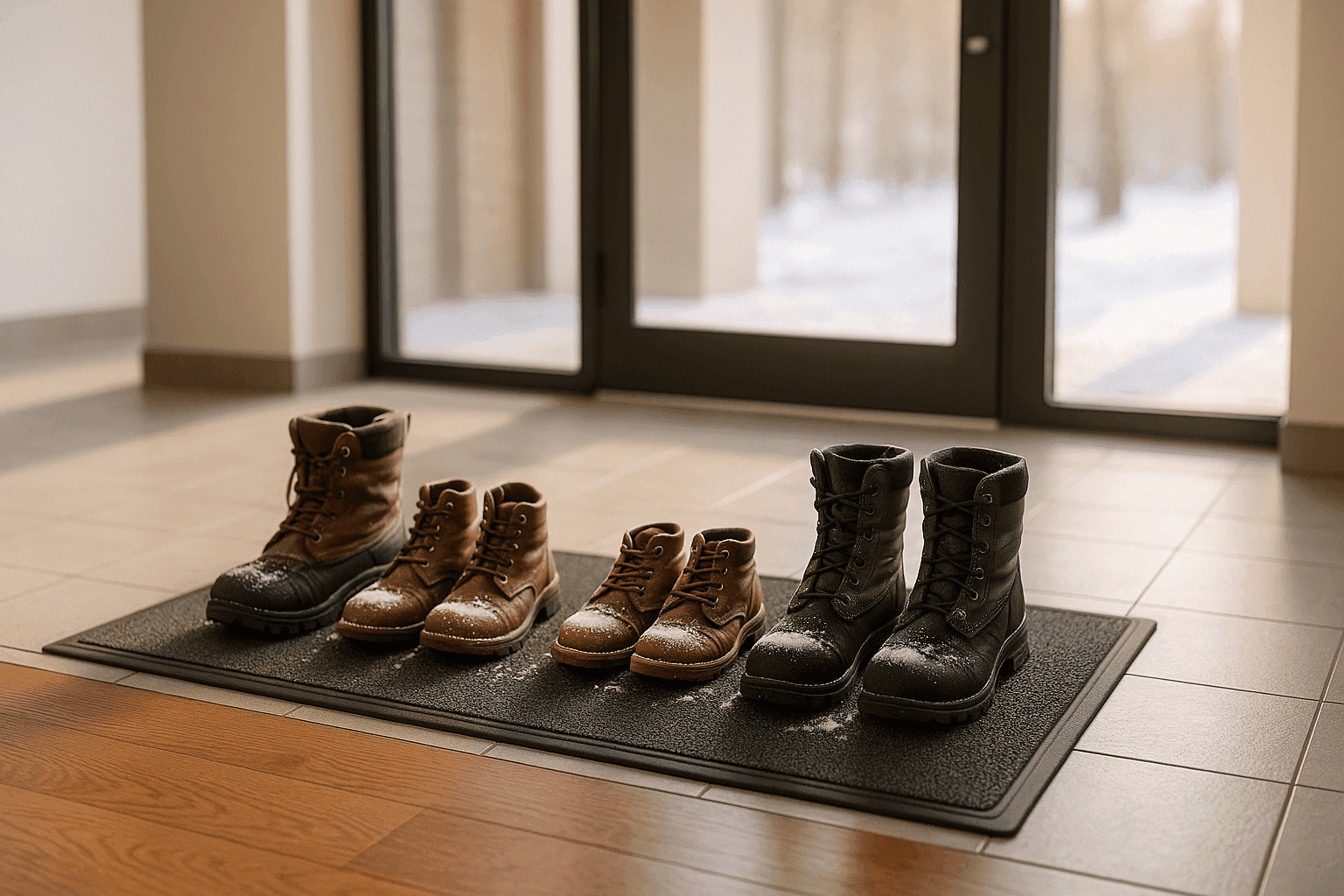
Winter’s chill isn’t just a problem for your thermostat. Floors—whether hardwood, carpet, or luxury vinyl—take a daily beating from wet boots, melting snow, and gritty salt. Every step can grind in moisture and debris, threatening not just your floors’ good looks but also their long-term durability.
Whether you’re a homeowner with a cozy entryway or a business managing heavy foot traffic, winter brings a storm of potential hazards. At Amigo’s Flooring, we’ve seen what a single winter can do. Let’s talk about how to defend your investment and keep your floors looking their best, all season long.
Why Winterizing Matters
Think of your floors as the unsung heroes of your space, quietly carrying the weight—and wet—of everyday life. In winter, the stakes get higher. Salt stains, moisture, and grit don’t ask for permission. They sneak in, settle deep into seams, and can even warp or stain your floor if left unchecked.
For businesses, the risks multiply. High-traffic entryways become slip-and-fall zones—liability you can’t afford. For homeowners, it’s about comfort and protecting the value of your home. In both cases, taking action before the ice and snow arrive makes all the difference.
According to the International Building Code (IBC) and Occupational Safety and Health Administration (OSHA) guidelines, surface moisture and debris are common causes of slips and falls in both residential and commercial spaces. Prevention isn’t just smart—it’s required.
Entryway Strategies: Your First Line of Defense 🧤
The entryway is ground zero. Get this part right, and you’ve already won half the battle.
- Quality Mats (Inside and Out): Use heavy-duty, absorbent mats outside every door and a second set just inside. Mats trap moisture, dirt, and salt before they hit your floors.
- Boot Trays: Place a waterproof tray near each entrance for wet shoes and boots. This keeps melting snow in one spot—not across your floor.
- Regular Cleaning: Shake out mats daily and mop up any pooled water. Wet mats don’t help—they just add to the mess.
- Signage for Businesses: In commercial settings, clear “Wet Floor” signs reduce liability and remind everyone to wipe their feet.
For both homes and businesses, these small changes are like putting on a raincoat before a storm—simple, but highly effective.
Managing Moisture and Salt
Water is the silent enemy of flooring. Salt is its abrasive sidekick, scratching and scarring as it goes.
- Prompt Cleanup: Wipe up puddles and slush as soon as you see them. Even a few minutes on hardwood or laminate can leave a mark.
- Mop with Care: Use a damp, not soaking, mop. Excess water seeps into seams and subfloors, causing swelling or mold.
- Salt Removal: Use a gentle, pH-neutral cleaner to remove salt stains from tile, vinyl, or concrete. For carpet, vacuum first, then spot clean with a carpet-safe solution.
- Humidity Control: Keep humidity between 35–55%. Too dry, and wood shrinks. Too damp, and it swells.
The National Wood Flooring Association (NWFA) recommends these humidity levels to prevent gapping or cupping in hardwood floors during winter.
Best Practices for Different Materials
Every flooring type handles winter a bit differently. Here’s how to keep each looking its best:
Hardwood Flooring
- Sweep Daily: Grit acts like sandpaper. A soft broom or microfiber mop keeps scratches at bay.
- Avoid Soaking: Never let water pool. Use cleaners approved for hardwood.
- Rugs in High-Traffic Areas: Place runners in hallways and stairs.
- Floor Refinishing: If your finish is looking worn, consider recoating before winter hits.
Luxury Vinyl Tile (LVT) & Luxury Vinyl Plank (LVP)
- Water Resistant, Not Waterproof: Wipe up spills quickly. Edges and seams are vulnerable.
- Mats with Non-Staining Backing: Some rubber mats can discolor LVT/LVP—check compatibility.
- Gentle Cleaners: Avoid harsh chemicals that could cloud the finish.
Tile Flooring
- Grout Sealing: Reseal grout annually to keep it stain-resistant.
- Non-Acidic Cleaners: Salt and harsh chemicals can etch tiles.
- Anti-Slip Mats: Especially in commercial spaces, to reduce the risk of falls.
Carpet
- Frequent Vacuuming: Removes salt and debris before they grind in.
- Spot Clean Promptly: Address spills or stains right away.
- Steam Cleaning: Consider a deep clean before and after winter to reset your carpet.
Laminate & Vinyl Flooring
- Dry Mopping: Avoid excess water. Use a barely damp mop.
- Protect Seams: Keep seams dry to prevent swelling or warping.
Concrete & Epoxy Flooring
- Sealant Checks: Inspect for cracks and reseal as needed.
- Salt-Resistant Coatings: Consider applying if exposure is heavy.
- Regular Sweeping: Grit can dull even the toughest surface.
Emergency Spill Response 🚨
Accidents happen. Snow melts, salt spills, drinks tip over. Here’s how to act fast:
- Blot, Don’t Rub: Use a clean, absorbent cloth to blot up liquid.
- Contain the Area: Keep people away until dry to prevent slips.
- Dry Thoroughly: Use fans or open windows if possible.
- Check for Residue: Salt can leave a white film—clean with the recommended solution for your floor type.
For larger commercial spaces, assign spill response duties to a specific staff member. In homes, keep towels and a mop near entryways.
When to Schedule a Professional Check
Even the best DIY care has its limits. Some issues need an expert eye:
- Visible Warping or Buckling: Especially in hardwood or laminate.
- Persistent Odors: Can signal hidden mold or moisture beneath the surface.
- Worn or Missing Grout: In tile floors, resealing or repair may be needed.
- Loose Carpet Edges: A tripping hazard in both homes and businesses.
- Subfloor Movement: Squeaks or soft spots indicate deeper problems.
For commercial properties, annual or seasonal inspections are recommended by the Institute of Inspection, Cleaning and Restoration Certification (IICRC) to maintain safety and code compliance.
High-Traffic Entryways & Liability Issues
For businesses, the front door is where most flooring troubles begin. High-traffic entryways face constant abuse:
- Regular Maintenance Schedule: Daily cleaning and weekly deep cleaning during winter.
- Non-Slip Mats: Required by OSHA in commercial facilities where moisture is present.
- Staff Training: Make sure your team knows how to spot and handle hazards quickly.
- Documentation: Keep records of cleaning routines to help with liability defense if needed.
In residential buildings with shared entryways, coordinate with property managers to ensure consistent care.
Quick Safety Checklist 📝
- Place heavy-duty mats inside and out
- Use boot trays at every entrance
- Clean up wet spots immediately
- Vacuum and sweep high-traffic areas daily
- Check humidity and adjust as needed
- Reseal grout and hardwood finishes annually
- Post signage in commercial entryways
- Schedule a professional inspection if you see signs of damage
Emergency Situations: When to Act Fast
Some problems can’t wait. Call for immediate help if:
- Flooding or large leaks: Water spreading under flooring can cause lasting structural damage.
- Major buckling or lifting: Indicates moisture trapped below.
- Persistent, unexplained odors: May mean mold or mildew.
- Slick, oily spots: Especially in commercial areas, these are a major slip hazard.
Delays can make things worse. Quick action saves money and keeps people safe.
Local & Seasonal Considerations
Winter can mean different things depending on your climate. In colder regions, snow and ice are the main threat. In rainy or coastal areas, it’s all about moisture control. Even in milder climates, extra sand or grit tracked in can scratch surfaces.
Review local building codes and consult resources like the National Floor Safety Institute (NFSI) for region-specific tips. For businesses, always double-check your insurance requirements for floor safety and maintenance.
Frequently Asked Questions
How do I know if my floors need sealing before winter?
Most hardwood, tile, and concrete floors benefit from annual sealing. If water doesn’t bead up on the surface or grout looks dull, it’s time to reseal.
Will salt ruin my floors?
Salt is abrasive and can damage finishes on hardwood, LVT, and tile. Quick cleanup and mats at entry points make a big difference.
Can I use any cleaner on my floors?
No. Always use floor-specific, pH-neutral cleaners. Harsh chemicals can strip finishes or discolor surfaces.
How often should businesses clean entryways in winter?
High-traffic commercial spaces may require cleaning multiple times daily during peak winter months to meet OSHA guidelines and prevent liability.
Protecting your floors from winter’s worst doesn’t have to be complicated. A few smart strategies now can save time, money, and hassle later. For personalized advice or to schedule an inspection, Call Amigo's Flooring now — or reach us anytime at 888-864-4650 .