The Ultimate Guide to Eco-Friendly Flooring: Sustainable Choices for Homes and Businesses
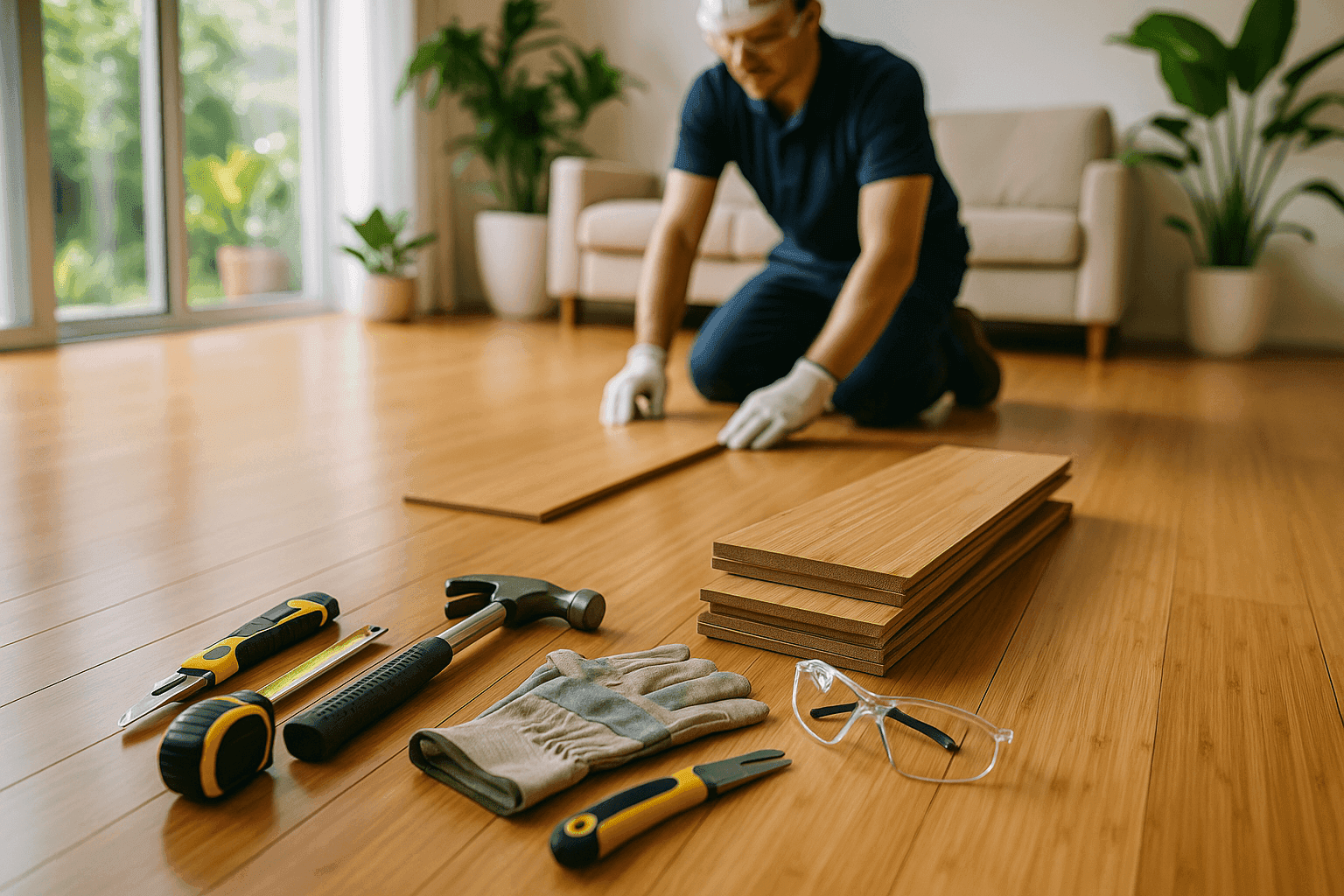
Choosing a floor is like picking the foundation for your daily life. It’s not just about looks—it’s about health, comfort, and the planet we share. More homeowners and small business owners are asking: Can my floor be beautiful, tough, and good for the earth?
At Amigo’s Flooring, we know the answer is yes. Our team has helped countless customers make choices that feel right underfoot and align with their values. This guide will walk you through the world of eco-friendly flooring—what works, what lasts, and how to keep it looking its best for years.
Why Go Eco-Friendly? 🌱
Every step you take indoors leaves a mark—on your home, your health, and the environment. Traditional flooring can release chemicals into the air, gobble up resources, and wear out fast. Eco-friendly flooring flips the script.
- Cleaner indoor air: Many green floors use low-VOC (volatile organic compound) adhesives and finishes, supporting better breathing.
- Resource savings: Materials like bamboo and cork grow back quickly, unlike slow-growing hardwoods.
- Long lifespan: Properly installed and cared for, sustainable floors can outlast trends and traffic.
- Lower carbon footprint: Choosing recycled or rapidly renewable materials means less impact on forests and landfills.
Assessing Your Space for Sustainable Flooring
Not every floor fits every room. Think of your space as a puzzle—moisture, sunlight, foot traffic, and style all play a part.
Key Questions:
- Is the area prone to spills or humidity (like kitchens or basements)?
- Will pets, kids, or heavy furniture put floors to the test?
- Do you want a soft, warm feel or a sleek, modern look?
- Are there allergies or sensitivities in your household or business?
A flooring consultation with Amigo’s Flooring can help you answer these questions and narrow your choices.
Top Eco-Friendly Flooring Options
Bamboo Flooring
Bamboo isn’t a tree—it’s a fast-growing grass. Harvested every 3–5 years, it’s a renewable powerhouse. It comes in colors from pale blond to rich caramel and can be harder than oak.
Benefits:
- Grows back quickly
- Durable and dent-resistant
- Natural beauty
Considerations:
- Sensitive to moisture—best for dry areas
- Look for certifications like FSC (Forest Stewardship Council) to ensure responsible sourcing
Care Tips:
- Sweep or vacuum regularly
- Wipe up spills quickly
- Use felt pads under furniture
Cork Flooring
Cork is harvested from the bark of cork oak trees, which regrow their bark every decade. It’s soft underfoot, warm, and naturally resistant to mold and pests.
Benefits:
- Renewable and biodegradable
- Excellent sound and heat insulation
- Cushions falls—great for kitchens and playrooms
Considerations:
- Can fade in direct sunlight
- Needs sealing to protect from water
Care Tips:
- Damp mop with gentle cleaners
- Avoid dragging heavy items
Reclaimed Hardwood
Old barns, factories, and even wine barrels find new life as stunning reclaimed wood floors. Each plank tells a story.
Benefits:
- Reduces demand for new lumber
- Unique character and patina
- Often harder and more stable than new wood
Considerations:
- May have nail holes or imperfections (adds charm for some, not all)
- Confirm the wood is free of lead paint or other hazards
Care Tips:
- Clean with wood-safe products
- Refinish when needed to restore shine
Low-VOC Vinyl and Linoleum
Vinyl has a reputation, but modern luxury vinyl plank (LVP) and tile (LVT) options are changing the game. Choose low-VOC products for better air quality.
Linoleum, made from linseed oil, wood flour, and jute, is a classic green option—don’t confuse it with vinyl.
Benefits:
- Water-resistant and tough
- Wide range of designs
- Easy to clean
Considerations:
- Check for third-party certifications like FloorScore or GreenGuard
- Some vinyls are recyclable, but not all
Care Tips:
- Mop with approved cleaners
- Avoid harsh chemicals
Certifications That Matter
Not all “green” labels mean the same thing. Look for these trusted certifications:
- FSC (Forest Stewardship Council): Ensures wood and bamboo come from responsibly managed forests.
- GreenGuard: Tests for low chemical emissions.
- FloorScore: Certifies indoor air quality for hard surface flooring.
- Cradle to Cradle: Assesses products for safety to humans and the environment.
Ask your installer for documentation—Amigo’s Flooring is always happy to provide it.
Durability: Will It Last?
Eco-friendly doesn’t mean fragile. In fact, many sustainable floors are built to handle real life.
- Bamboo: Comparable to or harder than many hardwoods.
- Cork: Resilient, but avoid high heels and heavy rolling furniture.
- Reclaimed wood: Already stood the test of time.
- LVP/LVT: Waterproof and scratch-resistant.
For high-traffic or commercial areas, talk to your flooring professional about finishes and coatings that add years to your investment.
Quick Safety Checklist for Eco-Friendly Flooring
- Confirm all adhesives and finishes are low-VOC or zero-VOC.
- Check for slip resistance, especially in bathrooms and kitchens.
- Ensure subfloors are dry, level, and free of mold before installation.
- Ask for certifications from your flooring provider.
- Schedule regular inspections—especially after leaks or heavy storms.
DIY vs. Call a Pro 🛠️
Installing eco-friendly flooring isn’t always a weekend project. Some materials, like click-lock bamboo or floating cork planks, are DIY-friendly. Others, like glue-down cork, radiant floor heating, or large-format tile, require special skills and tools.
DIY Pros:
- Save on labor costs
- Satisfaction of hands-on work
DIY Cons:
- Risk of voiding warranties
- Mistakes can lead to moisture issues or uneven floors
When to Call Amigo’s Flooring:
- Emergency flooring needs (floods, buckling, sudden damage)
- Subfloor repairs and leveling
- Large or complex spaces
- Commercial installations
Our team brings years of experience and the right equipment—so your investment is protected.
What Pros Do On Arrival
When Amigo’s Flooring arrives, we don’t just unroll a carpet or lay planks. We assess the space, check for hidden moisture, test subfloor stability, and confirm the right materials for your needs.
Our process:
- Inspect floors and subfloors for damage, mold, or unevenness
- Recommend eco-friendly options that fit your budget and style
- Handle all prep, including moisture barriers and soundproofing
- Install with precision, following manufacturer and safety guidelines (like ASTM standards)
- Clean up and provide maintenance tips before we leave
Maintenance Tips for Long-Lasting Beauty
Eco-friendly floors shine brightest with a little TLC. Here’s how to keep them looking their best:
- Sweep or vacuum regularly: Dirt is like sandpaper on your floor.
- Use mats at entrances: Trap grit before it scratches.
- Wipe up spills promptly: Especially on bamboo, cork, and hardwood.
- Avoid harsh chemicals: Choose pH-neutral cleaners.
- Protect from sunlight: Use curtains or blinds to prevent fading.
- Seasonal care: In wet seasons, use dehumidifiers or fans to control moisture.
Balancing Budget, Style, and Sustainability
Eco-friendly flooring comes in many price ranges. Bamboo and cork are often more affordable than hardwood, while reclaimed wood and specialty tiles can cost more upfront but last for decades.
Tips to stay on budget:
- Mix materials—use pricier options in main spaces, budget picks in low-traffic zones.
- Ask about remnants or overstock deals.
- Consider long-term savings: lower maintenance, fewer replacements, and better energy efficiency.
Costs & Time Factors
- Material costs: Range from budget-friendly (some cork and LVP) to premium (reclaimed hardwood).
- Installation time: Most projects take 1–5 days, depending on space and prep needs.
- Maintenance: Regular cleaning and occasional resealing or refinishing keep floors looking sharp.
- Emergency flooring: Rapid response is key—expect a team to assess and stabilize within hours, then plan repairs.
When It’s an Emergency
Water leaks, burst pipes, or sudden damage can turn any floor into an emergency flooring situation. Quick action protects your investment and your health.
What to do:
- Shut off water sources if needed.
- Remove rugs and furniture from the affected area.
- Call Amigo’s Flooring for rapid assessment and repair.
We handle emergencies with care—restoring safety and comfort, fast.
Combining Aesthetics with Green Building Goals
Eco-friendly doesn’t mean boring. Today’s sustainable floors come in colors, patterns, and textures to match any mood or brand. From sleek bamboo in modern offices to rustic reclaimed wood in cozy living rooms, there’s a green option for every vision.
Design tips:
- Pair cork or bamboo with light walls for an airy feel.
- Use reclaimed wood for warmth and character.
- Try patterned LVT for playful, durable spaces.
Our team can help you blend style and sustainability—no compromises.
FAQ: Eco-Friendly Flooring
How do I know if a flooring material is truly eco-friendly?
Look for third-party certifications (FSC, GreenGuard, FloorScore) and ask about the manufacturing process. Sustainable materials are renewable, recyclable, or made from reclaimed sources.
Can eco-friendly floors handle pets and kids?
Yes! Bamboo, LVP, and sealed cork are tough enough for busy homes. Just follow care guidelines to prevent scratches or stains.
Are there eco-friendly options for wet areas like bathrooms?
Absolutely. LVT, linoleum, and some treated bamboo products are water-resistant. Always check with your installer for the best fit.
What about allergies?
Low-VOC, non-toxic floors like cork, bamboo, and LVP can improve indoor air quality and reduce allergens.
Special Considerations for Sustainable Floors
- Moisture: Always use proper underlayments and moisture barriers, especially in basements or bathrooms.
- Soundproofing: Cork and some underlayments can dampen noise—a plus for multi-family buildings or busy offices.
- Radiant heating: Many green floors pair well with radiant systems, keeping feet cozy and energy bills low.
- Floor coatings: Choose eco-friendly finishes for added protection without harsh fumes.
References
- U.S. Environmental Protection Agency (EPA): Indoor Air Quality and Flooring
- Forest Stewardship Council (FSC): Certified Products
- GreenGuard Environmental Institute: Product Certifications
- ASTM International: Flooring Installation Standards
Ready to step onto a floor you can feel good about?
Call Amigo's Flooring now — or reach us anytime at 888-864-4650 .